Best Space Science Centres to Visit on an Educational Tour
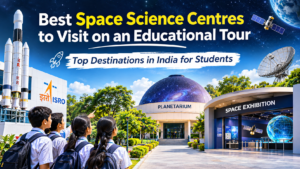
Space has always fascinated young minds. From the mysteries of the solar system to rockets, satellites and astronauts, learning about space encourages students to explore science beyond their textbooks. Visiting scientific institutions, planetariums and space museums gives students an opportunity to understand how space research works and how India has contributed to space exploration.
India has several fascinating Space Science Centres in India where students can discover astronomy, space technology, satellite communication and India’s space missions. These destinations combine practical learning with interactive exhibits, making them valuable additions to school educational tours.
Whether students are interested in becoming astronauts, scientists or engineers, visiting these centres can inspire curiosity, creativity and scientific thinking.
1. Nehru Planetarium, New Delhi
Located at Teen Murti Bhavan, the Nehru Planetarium is a popular destination for students interested in astronomy and space science.
The planetarium organises astronomy shows that introduce visitors to stars, planets, galaxies and other celestial objects. Students can learn about the solar system, planetary movements and the universe through engaging visual presentations.
What students can learn:
- Understanding the solar system and planets.
- Exploring stars, galaxies and constellations.
- Learning basic astronomy concepts.
- Developing an interest in space exploration.
It is an excellent choice for schools planning educational visits to Space Science Centres in India.
2. U R Rao Satellite Centre (URSC), Bengaluru
Bengaluru is an important centre of India’s space research activities. The U R Rao Satellite Centre (URSC), operated by ISRO, plays a significant role in designing and developing Indian satellites.
Students interested in engineering, electronics and satellite technology can learn about the science behind communication satellites, Earth observation and space missions.
What students can learn:
- How satellites are designed and developed.
- Applications of satellite technology.
- The role of engineers in space missions.
- India’s achievements in satellite development.
Note: Institutional visits require prior permission and may not be open to general school groups.
3. Vikram Sarabhai Space Exhibition, Ahmedabad
The Vikram Sarabhai Space Exhibition is an interesting destination for students who want to understand India’s journey in space exploration.
The exhibition introduces visitors to satellite technology, launch vehicles and the achievements of the Indian Space Research Organisation (ISRO). Models and displays help explain how rockets and satellites contribute to communication, weather forecasting and scientific research.
What students can learn:
- India’s journey in space exploration.
- How rockets and satellites work.
- Applications of space technology in everyday life.
- The contribution of Dr. Vikram Sarabhai to Indian space research.
It is among the most relevant destinations to consider when planning Space Science Educational Tours in India.
4. Indian Space Research Organisation (ISRO), Bengaluru
ISRO is India’s national space agency and one of the country’s most inspiring scientific institutions. Its headquarters in Bengaluru provide an important starting point for understanding India’s space programme.
Students can explore the history and achievements of Indian space missions through publicly available educational resources and authorised outreach activities.
What students can learn:
- India’s Chandrayaan and Mangalyaan missions.
- The importance of satellite communication.
- Rocket launch technology.
- Space research and future exploration.
ISRO facilities are not generally open for unrestricted public visits. Schools should check official outreach programmes and visitor permissions before planning a trip.
5. Birla Planetarium, Kolkata
The M. P. Birla Planetarium is one of the well-known astronomy destinations in eastern India. It offers educational presentations that introduce students to the wonders of the universe.
Its astronomy shows help students understand celestial bodies, planetary systems and important astronomical discoveries.
What students can learn:
- The structure of the solar system.
- Stars, planets and galaxies.
- Basic concepts of astronomy.
- The importance of scientific observation.
It is a valuable addition to educational itineraries for schools looking for astronomy-focused learning experiences.
6. Nehru Science Centre, Mumbai
The Nehru Science Centre is one of the prominent science learning destinations in India. It features interactive galleries, scientific exhibits and demonstrations that make complex scientific concepts easier to understand.
Students can explore topics related to physics, astronomy, technology and innovation. The centre is particularly useful for connecting classroom science with practical experiences.
What students can learn:
- Basic principles of physics and space science.
- Scientific discoveries and technological innovations.
- Interactive experiments and demonstrations.
- The relationship between science and everyday life.
It is a suitable option for schools exploring Science Centres for School Students and planning educational visits to Space Science Centres in India.
7. Science City, Kolkata
Science City is an exciting science learning destination featuring interactive exhibits, scientific galleries and educational attractions. Its Space Odyssey section introduces visitors to astronomy and space-related subjects.
Students can experience science through visual presentations and interactive displays rather than simply reading about scientific concepts in textbooks.
What students can learn:
- Introduction to astronomy and space exploration.
- Scientific principles through interactive exhibits.
- Technology and innovation.
- The importance of scientific curiosity.
For schools looking for Space Science Centres in India, Science City offers an engaging combination of science education and entertainment.
8. Jawaharlal Nehru Planetarium, Bengaluru
The Jawaharlal Nehru Planetarium is a popular destination for astronomy enthusiasts and school students. Its Sky Theatre uses immersive presentations to explain celestial events and astronomical phenomena.
The planetarium also conducts science-related educational activities and programmes that encourage students to develop an interest in astronomy.
What students can learn:
- Understanding planets, stars and constellations.
- Exploring astronomical phenomena.
- Learning about space exploration.
- Developing scientific observation skills.
It is one of the interesting Astronomy Centres in India for students who want to explore the universe.
9. Pathani Samanta Planetarium, Bhubaneswar
The Pathani Samanta Planetarium is dedicated to promoting astronomy and scientific awareness. Named after the famous Indian astronomer Pathani Samanta, the planetarium introduces visitors to the fascinating world of celestial science.
Its astronomy shows and educational programmes help students understand the movement of planets, stars and other objects in space.
What students can learn:
- Introduction to observational astronomy.
- Solar system and celestial movements.
- India’s contribution to astronomy.
- The importance of astronomy in scientific development.
This destination can add an interesting learning experience to Space Science Centres in India itineraries.
10. Best Space Museums in India: ISRO and Space Technology Exhibitions
Space museums and exhibitions provide students with an opportunity to explore the history of space exploration through rocket models, satellite displays and educational exhibits.
Some ISRO-associated exhibitions and outreach facilities showcase India’s achievements in satellite development, launch vehicles and planetary exploration.
Schools can explore authorised public exhibitions and educational events to introduce students to the work of Indian scientists.
What students can learn:
- The history of India’s space programme.
- Different types of launch vehicles.
- Satellite applications and communication.
- Major achievements of Indian space missions.
These experiences make Space Science Centres in India particularly valuable for students interested in science, engineering and technology.
Why Choose Space Science Educational Tours in India?
Educational visits to space museums, planetariums and science institutions offer learning opportunities that go beyond traditional classroom teaching.
Here are some important benefits:
- Practical Learning: Students understand scientific concepts through demonstrations, models and interactive exhibits.
- Career Awareness: They discover career opportunities in astronomy, aerospace engineering and space research.
- Scientific Curiosity: Space-related activities encourage students to ask questions and explore new ideas.
- Knowledge of Indian Achievements: Students learn about ISRO and India’s contributions to global space exploration.
- Teamwork and Exploration: Group activities help develop communication, collaboration and problem-solving skills.
Schools planning Space Science Centres in India visits should select destinations according to students’ age groups, curriculum and learning objectives.
ISRO Centres to Visit for Students: Important Planning Tips
Before including ISRO facilities or other research institutions in an educational itinerary, schools should check their visitor policies. Many research centres are restricted facilities and do not allow general public entry.
Consider these points while planning:
- Contact the institution in advance for permission.
- Check available student workshops and outreach programmes.
- Confirm visiting hours, entry requirements and group-size restrictions.
- Choose age-appropriate learning activities.
- Include planetariums and public science exhibitions as alternative destinations.
With proper planning, Space Science Centres in India can become an exciting part of a school’s educational travel programme.
Follow Us & Learn With Us
Get travel inspiration, exciting destinations, tour updates & special offers.
Conclusion
Space exploration opens the door to endless learning opportunities. From planetariums and interactive science galleries to ISRO exhibitions, India offers several destinations where students can discover astronomy, satellite technology and the achievements of Indian scientists.
Visiting Space Science Centres in India can inspire students to think beyond textbooks, develop scientific curiosity and explore future careers in space science.
For schools, Space Science Educational Tours in India are a meaningful way to combine education, exploration and real-world experiences.
Through thoughtfully planned Educational Tours for Space Science, students can discover that the universe is not just something they study in classrooms but a world waiting to be explored.
Frequently Asked Questions (FAQs)
1. Which are the best Space Science Centres in India for students?
Nehru Planetarium, Vikram Sarabhai Space Exhibition and Jawaharlal Nehru Planetarium are popular options among Space Science Centres in India.
2. Can school students visit ISRO centres?
Some ISRO facilities offer authorised visits and outreach programmes, but prior permission is generally required.
3. What can students learn during a space science educational tour?
Students can learn about astronomy, satellites, rockets, planetary science and India’s space missions.
4. Which Space Science Centres in India are suitable for school trips?
Planetariums, Nehru Science Centre Mumbai and Science City Kolkata are suitable options, depending on students’ age groups and interests.
5. Why are Space Science Centres in India important for students?
They provide practical learning experiences, encourage scientific curiosity and introduce students to careers in space research and technology.