Best Science and Technology Places to Visit in Japan for Students
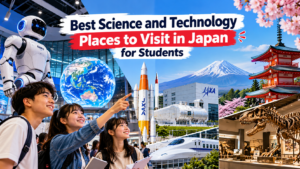
Japan is one of the world’s most fascinating destinations for students interested in science, engineering, robotics, space exploration, and innovation. From interactive science museums to advanced research facilities, the country offers opportunities to connect classroom learning with real-world discoveries. Exploring science and technology places in Japan can help students understand how scientific concepts are applied in everyday life and how technology shapes the future.
For schools planning international educational trips, Japan combines modern innovation with rich cultural experiences. Students can explore robotics, discover the science behind space missions, learn about industrial manufacturing, and investigate the natural world through hands-on exhibits.
This guide highlights some of the most interesting destinations, explains their educational value, and shares practical tips for planning a meaningful student visit.
Why Explore Science and Technology Places in Japan?
Japan is internationally recognised for its contributions to robotics, automotive engineering, electronics, transportation, and space research. These industries make the country an engaging destination for students studying science, technology, engineering, and mathematics (STEM).
Visiting science-focused attractions allows students to see how theoretical knowledge connects with practical applications. Instead of only reading about artificial intelligence, renewable energy, or aerospace engineering, they can explore exhibits that demonstrate these concepts.
Educational visits can help students:
- Develop curiosity about scientific discoveries and emerging technologies.
- Understand engineering principles through interactive exhibits.
- Explore career opportunities in research, robotics, and technology.
- Improve observation, critical thinking, and problem-solving skills.
- Gain international exposure to innovation and Japanese culture.
For schools, these experiences can make learning more engaging while encouraging students to ask questions, work collaboratively, and connect different academic subjects.
1. Miraikan – The National Museum of Emerging Science and Innovation
Located in Odaiba, Tokyo, Miraikan is a fascinating destination for students interested in robotics, artificial intelligence, Earth science, and future technologies. The museum presents scientific ideas through interactive displays and exhibitions that encourage visitors to think critically about the world.
Students can explore how emerging technologies may influence transportation, healthcare, communication, and everyday life. The museum’s exhibits also introduce visitors to scientific research and the relationship between technology and society.
Educational value for students:
- Introduction to robotics and artificial intelligence.
- Understanding scientific research and technological innovation.
- Exploring how science can address real-world challenges.
For schools searching for science and technology places in Japan, Miraikan can be a valuable addition to a Tokyo educational itinerary.
Planning tip: Miraikan is scheduled to close for refurbishment from October 1, 2026, to April 22, 2027. Check its official visitor information before planning a visit.
2. National Museum of Nature and Science, Tokyo
The National Museum of Nature and Science, located in Ueno Park, Tokyo, is one of Japan’s major destinations for natural history and scientific learning. It presents exhibits covering the natural world, the history of science, and technological development.
Students can discover dinosaur fossils, explore biodiversity, learn about the history of Japan, and investigate scientific developments through the museum’s collections. Its exhibitions can support lessons in biology, geology, physics, environmental science, and history.
Educational highlights:
- Dinosaur fossils and the evolution of life.
- Earth’s ecosystems and biodiversity.
- The development of science and technology.
- Scientific displays that encourage observation and inquiry.
This museum is especially suitable for school groups studying life sciences and natural history. It is one of the best science museums in Japan for students who want to connect classroom topics with real specimens and scientific collections.
3. Science Museum Tokyo – Interactive Learning and Engineering
The Science Museum in Tokyo, located near Kitanomaru Park, offers students opportunities to explore scientific principles through hands-on exhibits. Its displays cover different aspects of science and technology, including energy, construction, and bicycle technology.
Rather than learning only from textbooks, students can observe how machines work and how scientific principles are applied in practical settings. This makes the museum relevant to lessons on mechanics, electricity, engineering, and industrial processes.
What students can learn:
- Basic engineering and mechanical principles.
- The role of energy in everyday life.
- How scientific concepts support technological development.
- The importance of experimentation and observation.
For teachers planning science and technology attractions in Tokyo, this museum offers an opportunity to introduce engineering concepts in an engaging environment.
4. JAXA Tsukuba Space Center – Discover Space Exploration
Located in Tsukuba, Ibaraki Prefecture, the JAXA Tsukuba Space Center is an important destination for students interested in astronomy, aerospace engineering, and space exploration.
Operated by the Japan Aerospace Exploration Agency (JAXA), the centre introduces visitors to Japan’s space programme. The Space Dome features spacecraft models, satellite displays, rocket-related exhibits, and a model of the Japanese Experiment Module Kibo associated with the International Space Station.
Educational benefits include:
- Understanding satellite technology and space missions.
- Learning about rockets and aerospace engineering.
- Discovering how satellites help monitor Earth.
- Exploring international cooperation in space research.
A visit can inspire students to consider careers in astronomy, physics, engineering, and scientific research.
Planning tip: The Space Dome exhibition can generally be visited without a reservation, while guided facility tours require advance booking and are subject to availability. Group arrangements should be checked directly with JAXA.
For students interested in aerospace, this is one of the most distinctive science and technology places in Japan because it connects scientific learning with an active space research organisation.
5. Toyota Commemorative Museum of Industry and Technology
Located in Nagoya, the Toyota Commemorative Museum of Industry and Technology is an excellent destination for students studying engineering, manufacturing, industrial design, and automotive technology.
The museum explores the development of industrial technology, from textile machinery to automobile manufacturing. Demonstrations and machinery displays can help students understand how manufacturing processes have evolved and how engineering contributes to modern industries.
Key learning opportunities:
- Industrial automation and manufacturing.
- Mechanical engineering and machine design.
- Automotive innovation and production.
- The relationship between research, design, and industry.
Teachers can use this visit to explain the practical application of physics, materials science, engineering, and problem-solving. It is particularly useful for technical institutes and students considering careers in industrial engineering or automotive design.
Among the technology museums in Japan, this destination is a strong choice for demonstrating how scientific discoveries and engineering principles can lead to large-scale industrial innovation.
Before visiting, check the museum’s official website for current opening hours, demonstration schedules, group admission conditions, and educational programmes.
6. More Science and Technology Attractions in Tokyo
Apart from the major museums, students can explore additional destinations that connect science with everyday life. These science and technology attractions in Tokyo can complement a school itinerary, particularly when students have different academic interests.
Tokyo Sewerage Museum “Rainbow”
This attraction introduces students to the systems that manage wastewater in a major city. It can support lessons on environmental science, water treatment, public infrastructure, and sustainable urban development.
Konica Minolta Science Dome
Located in Hachioji, this science facility offers planetarium experiences and science-related activities. It can be a useful addition for students interested in astronomy and the study of the universe.
Both destinations can complement visits to major science museums and provide opportunities to explore environmental engineering, astronomy, and public infrastructure.
When selecting science and technology places in Japan, schools should match each attraction to the students’ ages, curriculum, and learning objectives.
7. Educational Places to Visit in Japan for Different Subjects
Japan offers educational experiences beyond dedicated science museums. Schools can build a balanced itinerary by connecting scientific attractions with related academic subjects.
- Physics and engineering: Explore machinery, energy exhibits, and industrial technology demonstrations.
- Biology and environmental science: Study biodiversity, natural history, and ecosystems.
- Astronomy and space science: Investigate satellites, rockets, and space exploration.
- Computer science and robotics: Examine robotics exhibits and emerging technologies.
- Geography and sustainability: Learn about urban infrastructure, environmental monitoring, and resource management.
These educational places to visit in Japan can help teachers design a trip that combines multiple subjects rather than focusing on sightseeing alone.
How to Plan Japan Educational Tours for Students
A successful educational trip requires more than choosing popular attractions. Schools should develop a clear learning plan and ensure that every visit contributes to students’ academic or personal development.
1. Choose Destinations Based on the Curriculum
Select attractions according to the subjects students are studying. For example, a physics class may benefit from engineering demonstrations, while students interested in astronomy may prefer a visit to JAXA Tsukuba Space Center.
2. Check Group Bookings in Advance
Some facilities offer group visits, guided tours, or educational programmes that require advance reservations. Confirm availability, visitor limits, language options, and any restrictions before finalising the itinerary.
3. Prepare Students Before the Visit
Teachers can introduce the relevant scientific concepts in class and ask students to prepare questions. This helps students engage more actively with exhibitions and demonstrations.
4. Include Worksheets and Reflection Activities
Ask students to record observations, explain a scientific principle, or identify a technology that solves a real-world problem. Post-visit presentations can help them connect their experiences with classroom learning.
5. Allow Sufficient Time for Each Attraction
Avoid scheduling too many visits in a single day. Students need time to explore exhibits, ask questions, take notes, and participate in guided activities.
Thoughtfully planned Japan educational tours for students can turn an international school trip into a meaningful learning experience.
Best Time to Visit Japan for an Educational Tour
Spring and autumn are popular seasons for educational travel because they generally offer comfortable conditions for exploring cities and travelling between destinations. However, school holidays, seasonal events, and visitor demand can affect availability and costs.
Spring can be attractive for combining museum visits with cultural activities, while autumn offers opportunities to explore Japan’s cities and educational attractions in milder weather.
Regardless of the season, check museum calendars, public holidays, school group availability, and transport arrangements before booking. Some facilities may close temporarily for maintenance or renovations.
For example, Miraikan’s scheduled refurbishment from October 2026 through April 2027 makes checking current visitor information particularly important for anyone planning a trip during this period.
Follow Us & Travel With Us
Get travel inspiration, exciting destinations, tour updates & special offers.
Conclusion
Japan offers students an exciting opportunity to explore scientific discoveries, engineering achievements, space research, and industrial innovation. From the interactive exhibits at the Science Museum in Tokyo to the aerospace displays at JAXA Tsukuba Space Center, each destination can introduce students to new ideas and potential career paths.
The best science and technology places in Japan are those that align with students’ interests and learning objectives. By combining museum visits, guided experiences, and classroom follow-up activities, schools can create an educational journey that is both enjoyable and academically valuable.
For schools considering international educational travel, Japan provides a compelling combination of modern innovation, practical learning, and cultural discovery.
Frequently Asked Questions
1. What are the best science and technology places in Japan for students?
Miraikan, the National Museum of Nature and Science, the Science Museum in Tokyo, JAXA Tsukuba Space Center, and the Toyota Commemorative Museum of Industry and Technology are excellent options.
2. Which is the best science museum in Tokyo for students?
The National Museum of Nature and Science is a strong choice for natural history and scientific collections, while Miraikan focuses on emerging science and innovation. Check Miraikan’s current closure schedule before visiting.
3. Can school groups visit JAXA Tsukuba Space Center?
Yes. The Space Dome exhibition area is generally open for visits without reservations, while guided facility tours require advance booking and depend on availability.
4. Are there technology museums in Japan suitable for engineering students?
Yes. The Toyota Commemorative Museum of Industry and Technology in Nagoya is particularly useful for learning about machinery, manufacturing, and automotive engineering.
5. What can students learn during a science educational tour in Japan?
Students can explore physics, robotics, aerospace, engineering, environmental science, natural history, and industrial innovation through exhibits and guided learning experiences.
6. How can schools plan Japan educational tours for students?
Schools should select destinations according to their curriculum, confirm group bookings, arrange suitable accommodation and transport, and prepare educational activities before and after each visit.