Singapore Educational Tour: A Complete Guide for Students
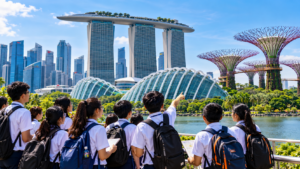
A Singapore educational tour offers students an exciting opportunity to explore science, technology, history, cultural diversity and environmental sustainability beyond the classroom. Known for its modern infrastructure, multicultural society and innovative attractions, Singapore is an ideal destination for schools seeking meaningful international learning experiences.
From interactive science exhibitions and botanical gardens to historical museums and vibrant cultural neighbourhoods, students can discover how classroom concepts connect with the real world. An educational visit to Singapore also encourages curiosity, teamwork, independent thinking and global awareness.
Whether you are a school principal, teacher or educational tour coordinator, Singapore offers a variety of learning opportunities for students of different age groups. With carefully selected attractions, educational activities and proper planning, schools can create a memorable trip that combines academic learning, cultural exploration and enjoyable experiences.
Why Choose Singapore for an Educational Tour?
Singapore is recognised for its urban development, efficient public transport, multicultural communities and focus on innovation. These qualities make it an interesting destination for students studying geography, environmental science, business, technology and social studies.
Here are some important reasons to consider Singapore for a school learning experience.
1. Practical Learning Beyond the Classroom
Students often understand academic concepts more effectively when they can observe them in real-life settings. Science exhibitions, environmental attractions, museums and interactive learning spaces help connect theoretical knowledge with practical experiences.
For example, students studying ecosystems can explore nature-based attractions, while those learning about urban development can observe how Singapore manages transport, public spaces and limited land resources.
2. Exposure to International Culture
Singapore brings together Chinese, Malay, Indian and other cultural communities. Students can learn about different traditions, languages, festivals, cuisines and religious practices.
Visits to cultural neighbourhoods and heritage sites can encourage respect for diversity and help students understand how different communities contribute to a shared national identity.
3. Understanding Technology and Innovation
Singapore provides opportunities to observe modern infrastructure, digital services and innovative approaches to urban planning. Depending on the school’s learning objectives and available access, students may explore science exhibitions, technology-focused attractions and sustainability projects.
These experiences can encourage curiosity, problem-solving and interest in future career pathways.
4. Learning About Sustainability
Singapore’s approach to green spaces, water management and urban development offers useful examples for students interested in environmental protection. Visits to gardens, reservoirs and sustainability-focused attractions can introduce topics such as biodiversity, conservation and responsible resource use.
Top Educational Places to Visit in Singapore for Students
Choosing destinations that match the school’s curriculum can make an educational trip more meaningful. The following attractions offer different learning opportunities for students.
1. Science Centre Singapore
Science Centre Singapore is a useful destination for students interested in science, technology and experimentation. Its exhibitions and interactive displays can help explain concepts related to physics, biology, engineering and other scientific subjects.
Students can explore scientific principles through demonstrations and hands-on exhibits, depending on the facilities available during their visit. Teachers can prepare worksheets or observation tasks to encourage students to connect the experience with classroom lessons.
2. Gardens by the Bay
Gardens by the Bay combines horticulture, biodiversity and modern landscape design. Its conservatories and themed gardens provide opportunities to discuss plant life, climate, ecosystems and environmental conservation.
Students can observe how plants from different environments are displayed and learn about the role of green spaces in urban areas. The attraction also provides an introduction to the relationship between nature, architecture and sustainable city planning.
3. National Museum of Singapore
The National Museum of Singapore offers insights into the country’s history, cultural development and changing social landscape. Students can learn about historical events, national identity and the factors that shaped modern Singapore.
A museum visit can support history and social science lessons through exhibits, historical objects and interpretive displays. Teachers should check current exhibitions and any school-group arrangements before finalising their visit.
4. Asian Civilisations Museum
The Asian Civilisations Museum explores the diverse cultures and historical connections that have shaped Asia. Its collections can help students understand trade, migration, religious traditions, art and cultural exchange.
This destination is particularly relevant for students studying history, geography and cultural studies. Guided discussions can help them compare different societies and understand how historical interactions influenced contemporary communities.
5. Marina Barrage
Marina Barrage is an interesting place to introduce students to water management, urban infrastructure and environmental planning. It provides an opportunity to discuss Singapore’s approach to water security and the role of reservoirs in the urban environment.
Teachers can connect the visit with topics such as conservation, sustainable development and responsible water consumption. Check visitor access and educational programme availability before planning a group visit.
6. Singapore Botanic Gardens
The Singapore Botanic Gardens offers opportunities to learn about plant diversity, horticulture and conservation. Its landscapes can help students observe different plant species and understand the importance of protecting natural environments.
The National Orchid Garden, subject to applicable admission arrangements, can provide an additional learning opportunity focused on orchids and plant cultivation. Students can record observations and discuss the relationship between biodiversity and environmental responsibility.
7. Chinatown and Little India
Singapore’s cultural neighbourhoods offer valuable opportunities to study multiculturalism, heritage and community life.
In Chinatown, students can learn about Chinese cultural traditions and the history of the local community. Little India introduces visitors to Indian heritage, architecture, food and religious traditions.
These neighbourhoods are particularly useful for social science and cultural studies. Teachers should brief students on respectful behaviour, photography etiquette and appropriate conduct around places of worship.
Singapore Educational Tour for Students: Learning Opportunities
A successful trip should connect each destination to specific learning objectives. Schools can develop an educational programme based on students’ age groups, subjects and interests.
Some useful learning themes include:
- Science and technology: Explore scientific exhibits, innovation and engineering concepts.
- Environmental studies: Learn about biodiversity, water management and sustainable urban planning.
- History and heritage: Discover Singapore’s development and historical connections with Asia.
- Geography and urban studies: Observe land use, public transport, infrastructure and city planning.
- Business and economics: Discuss Singapore’s role in international trade, finance and regional commerce through age-appropriate activities.
- Cultural awareness: Understand the traditions and contributions of different communities.
Schools can also include group presentations, reflection journals, quizzes and photography assignments to help students engage actively with what they see.
Educational Tour to Singapore: Planning and Preparation Tips
Careful preparation helps schools organise a comfortable and productive international trip.
Define Learning Objectives
Identify what students should learn during the visit. Objectives may include understanding environmental sustainability, exploring scientific principles, studying cultural diversity or observing urban development.
Choose destinations that support these goals instead of filling the programme with too many attractions.
Prepare a Realistic Budget
The cost of a school trip depends on the duration, group size, travel season, flights, accommodation, meals, transport and attraction admissions.
When comparing Singapore educational tour packages, schools should review the complete list of inclusions and exclusions. Ask for clarity on flights, hotel arrangements, meals, local transfers, entry tickets, tour coordination and applicable taxes.
A detailed quotation helps institutions compare options fairly and plan their budgets.
Organise Travel Documents
Check passport validity, entry requirements, applicable visa requirements and any documentation needed for minors travelling internationally. Requirements can vary according to nationality and individual circumstances, so consult the relevant official authorities before departure.
Schools should also maintain emergency contacts, student information and appropriate parental consent documents.
Prioritise Student Safety
Assign responsible teachers or group leaders to supervise students. Establish clear meeting points, buddy groups, headcounts and communication procedures.
Share emergency contact details with students and accompanying staff. Consider appropriate travel insurance, medical information management and arrangements for students with accessibility or dietary needs.
Prepare Students Before Departure
Introduce students to Singapore’s geography, history, cultural etiquette and public transport system before the trip. Explain expected behaviour at museums, public attractions and religious sites.
Pre-trip preparation makes visits more engaging because students arrive with questions and a better understanding of what they will observe.
Singapore Educational Tour Packages: What Should Schools Look For?
Selecting the right travel partner is an important part of organising an international school trip. Schools should look beyond the headline price and evaluate the overall educational value and quality of arrangements.
When reviewing Singapore educational tour packages, consider the following factors:
- Customised programme: Activities should match the students’ age groups, subjects and educational objectives.
- Accommodation: Check hotel location, room-sharing arrangements, supervision requirements and suitability for student groups.
- Transport: Understand airport transfers, local transport arrangements and the movement of students between attractions.
- Educational activities: Ask whether the programme includes guided visits, workshops or structured learning tasks.
- Group coordination: Confirm who will coordinate the trip and what support will be available during the tour.
- Transparent pricing: Review inclusions, exclusions, cancellation terms and payment schedules.
- Safety arrangements: Clarify emergency procedures, supervision responsibilities and insurance provisions.
Schools planning a Singapore educational tour should request a detailed itinerary and written quotation before making a final decision. This helps ensure that the programme aligns with institutional expectations and available budgets.
School Trips to Singapore: How Students Benefit
An international educational trip can contribute to students’ personal and academic development in several ways.
First, it encourages independent thinking. Students learn to observe unfamiliar environments, ask questions and interpret new information.
Second, it develops cultural awareness. Direct interaction with different cultural settings can help students appreciate diversity and communicate more respectfully.
Third, it strengthens teamwork. Shared activities encourage students to collaborate, follow schedules and take responsibility for group tasks.
Finally, it can inspire future academic interests. Experiences related to science, sustainability, history, business and technology may help students explore subjects and careers they had not previously considered.
The greatest benefit comes when schools combine visits with reflection, discussion and follow-up classroom activities.
Follow Us & Travel With Us
Get travel inspiration, exciting destinations, tour updates & special offers.
Conclusion
Singapore offers an engaging combination of science, history, culture, sustainability and modern urban development, making it a valuable destination for school groups. From interactive science exhibits and botanical attractions to heritage museums and multicultural neighbourhoods, students can explore a variety of subjects through real-world experiences.
A well-organised Singapore educational tour should balance meaningful learning activities with suitable accommodation, reliable transport, student supervision and adequate rest. Schools can maximise the experience by setting clear learning objectives, preparing students in advance and selecting destinations that match their curriculum.
If your school is planning an international learning experience, explore a customised Singapore educational tour with Shikhar Educational Tours. A thoughtfully designed programme can help students gain new perspectives, strengthen their understanding of global cultures and create lasting educational memories.
Frequently Asked Questions
1. Why is Singapore a good destination for an educational tour?
Singapore offers opportunities to explore science, technology, environmental sustainability, history, cultural diversity and urban planning. Its museums, gardens and interactive attractions can complement classroom learning.
2. What are the best educational places to visit in Singapore?
Popular options include Science Centre Singapore, Gardens by the Bay, the National Museum of Singapore, Asian Civilisations Museum, Marina Barrage and Singapore Botanic Gardens. The best selection depends on students’ ages and learning objectives.
3. How many days are sufficient for a Singapore educational tour?
A trip of four to five days can provide time for several educational attractions and cultural experiences. The ideal duration depends on the school’s budget, travel schedule, group size and planned activities.
4. What is the cost of a Singapore educational tour for students?
The cost varies according to airfare, accommodation, group size, travel dates, meals, local transport and attraction admissions. Schools should request a customised quotation with a clear breakdown of inclusions and exclusions.
5. What documents are required for a school trip to Singapore?
Students generally need valid passports and must meet the applicable entry requirements. Depending on nationality and circumstances, additional visa or supporting documents may be necessary. Schools should verify current requirements with official authorities before departure.
6. How can schools organise a Singapore educational tour?
Schools should define their learning objectives, select suitable destinations, determine the budget, arrange travel documents and establish student safety procedures. Working with an experienced educational tour organiser can help coordinate the itinerary and travel arrangements.