How to Plan an Educational Tour for School Students: A Complete Guide
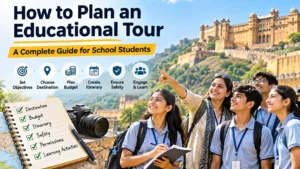
A complete guide to planning safe, engaging, and educational school trips.
Planning an educational tour for school students involves much more than selecting a destination and arranging transportation. It is about creating meaningful learning experiences that connect classroom knowledge with the real world. From exploring historical monuments and science museums to discovering nature, culture, and geography, educational tours help students develop practical knowledge, confidence, and essential life skills. However, organising a successful school trip requires proper planning, budgeting, destination selection, safety arrangements, and coordination. If you are a teacher, school principal, or school administrator wondering how to plan an educational tour, this complete guide will walk you through every important step to make your students’ journey safe, engaging, and educationally rewarding.
1. Define the Objectives of the Educational Tour
Understanding how to plan an educational tour begins with identifying what students should learn from the experience.
Every educational trip should have a clear academic purpose. Instead of choosing a destination simply because it is popular, schools should select places that complement their curriculum and provide practical learning opportunities.
For example:
- History: Visit historical monuments, forts, museums, and heritage sites to understand different historical periods.
- Geography: Explore mountains, rivers, forests, valleys, and geographical formations.
- Science: Visit science centres, planetariums, research laboratories, and technology museums.
- Environmental Studies: Explore national parks, wildlife sanctuaries, botanical gardens, and conservation centres.
- Art and Culture: Discover traditional crafts, cultural institutions, architecture, and local communities.
Teachers should identify the subjects, topics, and learning outcomes connected with the proposed tour.
A clearly defined objective makes educational tour planning for schools more effective and ensures that students return with valuable knowledge and experiences.
2. Select the Right Educational Tour Destination
When deciding how to plan an educational tour, schools should choose destinations that match students’ age groups, academic levels, curriculum requirements, and travel duration.
The location should offer a combination of learning opportunities, practical experiences, and student-friendly activities.
Some popular educational tour destinations in India include:
Delhi: Ideal for exploring Indian history, political institutions, architecture, museums, and cultural heritage. Students can visit India Gate, the National Museum, and other historical landmarks.
Jaipur: Offers opportunities to understand Rajput history, traditional architecture, forts, palaces, and cultural heritage.
Agra: An excellent destination for learning about Mughal architecture, history, and India’s cultural heritage through visits to the Taj Mahal and Agra Fort.
Rishikesh and Mussoorie: Suitable for geography, environmental studies, adventure learning, and understanding Himalayan landscapes.
Bhopal and Sanchi: Provide opportunities to explore archaeology, ancient Buddhist heritage, history, and cultural development.
Ranthambore: Offers practical exposure to wildlife conservation, biodiversity, forest ecosystems, and environmental education.
While selecting destinations, schools should evaluate travel distance, weather conditions, accessibility, available facilities, and the educational value of each location.
The best educational tour destinations for students are those that encourage curiosity and provide experiences that cannot be easily recreated inside a classroom.
3. Prepare a Realistic Budget for the School Trip
Budgeting is another important consideration when learning how to plan an educational tour. Schools should calculate all major expenses before sharing the proposed trip details with parents.
The overall cost generally depends on the destination, number of students, travel distance, duration, accommodation category, and activities included.
Important expenses to consider include:
- Transportation, including buses, trains, or flights.
- Accommodation and meal arrangements.
- Entry tickets for monuments, museums, and attractions.
- Tour coordinators and local guides.
- Activity charges and adventure experiences.
- First-aid facilities and emergency arrangements.
- Travel insurance, where applicable.
- Additional expenses and contingency funds.
Schools should request quotations from professional educational tour operators and compare the services included in each package.
When preparing a budget, transparency is important. Parents should receive a clear breakdown of inclusions and exclusions so they understand the overall cost.
A well-planned budget helps schools organise affordable and meaningful educational trips without compromising student safety or learning experiences.
4. Create a Detailed Itinerary and Schedule
A detailed itinerary is essential when considering how to plan an educational tour successfully. It helps teachers organise visits, travel schedules, meals, rest periods, and learning activities.
Students should have enough time to explore each location rather than rushing from one attraction to another.
For example, a three-day educational tour to Jaipur could include:
Day 1: Historical Exploration
- Arrival in Jaipur.
- Visit to Amber Fort.
- Explore the architectural features of the fort.
- Evening cultural activities and dinner.
Day 2: Science, Culture and Heritage
- Visit to Jantar Mantar.
- Explore the City Palace.
- Discover traditional Rajasthani art and crafts.
- Interactive learning session.
Day 3: Local Experiences and Departure
- Visit to Hawa Mahal.
- Explore local markets and traditional handicrafts.
- Group reflection and departure.
The itinerary should be designed according to students’ age groups and learning objectives.
Schools should also share the schedule with parents, teachers, and tour coordinators in advance. This ensures everyone understands the programme and their responsibilities.
5. Arrange Safe Transportation and Accommodation
Schools exploring how to plan an educational tour should select reliable transportation providers and verify vehicle safety, driver credentials, and travel arrangements.
Transportation and accommodation are two major aspects of school educational trip planning.
Before finalising transportation, consider the following:
- Select reliable and properly maintained vehicles.
- Verify driver credentials and relevant vehicle documents.
- Ensure adequate seating capacity.
- Keep emergency contact numbers available.
- Plan suitable breaks during long journeys.
- Maintain a list of students travelling in each vehicle.
For overnight educational tours, accommodation should be selected according to the students’ age groups and supervision requirements.
Important accommodation considerations include:
- Clean and hygienic rooms.
- Appropriate student and teacher room arrangements.
- Safe surroundings and security measures.
- Reliable food and drinking water facilities.
- Emergency exits and basic medical support.
- Suitable arrangements for teachers and accompanying staff.
Schools should inspect accommodation facilities or obtain reliable verification before confirming bookings.
6. Prioritise Student Safety and Supervision
Student safety is a major consideration in how to plan an educational tour. Schools must arrange adequate supervision, first-aid facilities, emergency contacts, and parental consent.
Even the most exciting itinerary cannot be considered successful without proper supervision and emergency preparedness.
Schools should establish clear safety guidelines for school educational trips before departure.
Some important precautions include:
Maintain an Accurate Student List: Keep updated records of student names, contact information, emergency contacts, and relevant medical or dietary requirements.
Assign Teachers and Group Leaders: Divide students into smaller groups and assign a responsible teacher to each group.
Conduct a Safety Briefing: Explain travel rules, meeting points, emergency procedures, and expected behaviour before the journey begins.
Arrange First Aid: Carry a properly equipped first-aid kit and identify nearby hospitals or medical facilities.
Establish Communication: Ensure teachers, coordinators, drivers, and school authorities can communicate throughout the tour.
Follow Activity-Specific Safety Rules: Adventure activities, wildlife visits, water-based experiences, and trekking require additional precautions and appropriate supervision.
Schools should also collect written parental consent forms and relevant medical information before the trip.
A professional tour operator can assist schools with coordination, logistics, emergency planning, and on-ground support.
7. Prepare Teachers and Students Before Departure
Another important aspect of how to plan an educational tour is preparing students before departure through classroom discussions, research assignments, and destination information.
Preparation should begin well before the actual departure date.
Teachers should introduce students to the destination, its history, geography, culture, or scientific importance. This helps students understand what they will experience during the trip.
Some useful pre-tour activities include:
- Classroom discussions about the destination.
- Short presentations on important landmarks.
- Research assignments about the places being visited.
- Group projects related to the tour’s academic theme.
- Explanation of travel rules and expected behaviour.
Students should also receive a packing checklist covering comfortable clothing, footwear, personal essentials, identification documents, water bottles, and other destination-specific requirements.
Parents should receive complete information about departure timings, accommodation, meals, emergency contacts, and the itinerary.
Preparing students in advance makes the trip more organised and encourages active participation.
8. Include Interactive Learning Activities
Schools should also consider interactive learning opportunities when deciding how to plan an educational tour that delivers meaningful academic experiences.
An educational tour should not be limited to sightseeing. Students should actively participate in activities that encourage observation, discussion, teamwork, and critical thinking.
Depending on the destination, schools can organise:
- Heritage walks with professional guides.
- Science demonstrations and interactive workshops.
- Nature trails and biodiversity observation.
- Geography-based field activities.
- Museum learning assignments.
- Photography and documentation projects.
- Cultural interaction sessions.
- Group presentations and quizzes.
For example, during a visit to a science museum, students can complete worksheets based on scientific exhibits. During a wildlife visit, they can observe different species and understand the importance of conservation.
These activities make learning more engaging and help students retain information for longer.
9. Manage Documentation and Permissions
Documentation is another important part of organising a school educational trip.
Schools should prepare all necessary records before departure to ensure smooth coordination.
The documentation process may include:
- Parental consent forms.
- Student attendance lists.
- Emergency contact details.
- Medical information and special requirements.
- Travel tickets and accommodation confirmations.
- Identification documents, wherever required.
- Permissions from relevant institutions or authorities.
- Insurance documentation, where applicable.
For visits to research centres, industrial facilities, government institutions, and certain museums, advance permission may be necessary.
Schools should confirm entry requirements and institutional guidelines well before the scheduled visit.
10. Evaluate the Learning Outcomes After the Tour
The educational experience should continue even after students return to school.
Post-tour activities help teachers evaluate whether the learning objectives were achieved and encourage students to reflect on their experiences.
Schools can organise:
- Group discussions about the places visited.
- Student presentations and project work.
- Travel journals and reflective writing.
- Photography exhibitions.
- Classroom quizzes.
- Reports on historical, geographical, or scientific observations.
Teachers can also collect feedback from students to understand which activities were most valuable and what improvements could be made for future trips.
This final step ensures that the educational tour becomes a meaningful part of the academic learning process rather than just an enjoyable outing.
Benefits of Educational Tours for School Students
Educational tours offer several benefits that support students’ academic, social, and personal development.
Practical Learning: Students understand classroom concepts through direct observation and real-world experiences.
Cultural Awareness: Visiting different destinations exposes students to local traditions, architecture, languages, and lifestyles.
Confidence Building: Travelling away from familiar surroundings helps students develop independence and confidence.
Teamwork: Group activities encourage cooperation, communication, and mutual understanding.
Environmental Awareness: Visits to forests, national parks, and natural landscapes help students understand biodiversity and conservation.
Better Retention: Experiential learning can make information more interesting and memorable.
These experiences contribute to students’ overall development and encourage them to become curious, responsible, and informed individuals.
Why Choose a Professional Educational Tour Operator?
Organising a school trip independently can be challenging, particularly when managing transportation, accommodation, permissions, student safety, and multiple activities.
A professional educational tour operator helps schools manage these responsibilities through organised planning and dedicated coordination.
When selecting a tour operator, schools should look for:
- Experience in organising school and institutional tours.
- Customised educational itineraries.
- Reliable transportation and accommodation arrangements.
- Trained tour coordinators.
- Appropriate student safety and emergency procedures.
- Transparent pricing and clear communication.
- On-ground assistance throughout the journey.
Shikhar Educational Tours, backed by the travel experience of Shikhar Travels since 1979, helps schools and educational institutions plan meaningful learning experiences across India and international destinations.
From historical and cultural tours to geography field trips, science visits, nature-based experiences, and adventure learning programmes, educational itineraries can be designed according to the academic requirements and age groups of students.
Visit Shikhar Educational Tours to explore educational travel opportunities and plan your next school trip.
Follow Us & Learn With Us
Get travel inspiration, exciting destinations, tour updates & special offers.
Conclusion
Knowing how to plan an educational tour allows schools to create meaningful learning experiences beyond the classroom. A successful trip requires a combination of academic objectives, destination research, budgeting, logistics, safety arrangements, and engaging learning activities.
With proper preparation and professional coordination, students can explore new destinations, develop practical knowledge, build confidence, and create lasting memories.
Whether it is a historical exploration, a science-focused visit, a geography field trip, or an international educational experience, every well-planned tour can become a valuable learning opportunity for students.
Start planning your next educational journey with Shikhar Educational Tours and give students an opportunity to explore, learn, and grow.
Frequently Asked Questions (FAQs)
1. How to plan an educational tour for school students?
Start by defining learning objectives, selecting a suitable destination, preparing a budget, creating an itinerary, and arranging safe transportation, accommodation, and supervision.
2. What are the best destinations for school educational tours in India?
Delhi, Jaipur, Agra, Rishikesh, Mussoorie, Ranthambore, Bhopal, and Sanchi are popular destinations offering historical, scientific, geographical, and cultural learning opportunities.
3. How much does a school educational tour cost?
The cost depends on the destination, duration, transportation, accommodation, group size, and activities included in the itinerary.
4. What safety measures should schools follow during educational trips?
Schools should arrange adequate teacher supervision, parental consent, first-aid facilities, emergency contacts, reliable transportation, and suitable accommodation.
5. Why should schools choose a professional educational tour operator?
A professional operator helps manage itineraries, transportation, accommodation, activity bookings, coordination, and safety arrangements, making the trip easier for schools.