Understanding Mughal Architecture Through Educational Tours
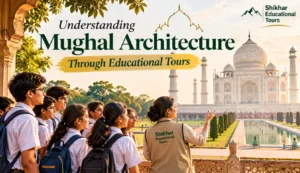
Mughal Architecture Educational Tours offer students an exciting opportunity to explore India’s rich history, architectural brilliance and cultural heritage beyond textbooks. From the magnificent Taj Mahal and historic Agra Fort to the grand Red Fort and Humayun’s Tomb, these educational journeys introduce students to the artistic achievements, engineering techniques and historical stories of the Mughal era. Through guided monument visits and interactive learning activities, students can understand how Mughal architecture evolved and appreciate the cultural influences that shaped India’s architectural landscape.
What Makes Mughal Architecture Unique?
Mughal architecture developed over several centuries, drawing on Persian, Central Asian, Islamic and Indian building traditions. Its appearance changed across different reigns and regions, but several features are often associated with Mughal buildings: large domes, arched entrances, minarets, symmetrical layouts, decorative inlay, carved stone screens and carefully planned gardens.
Builders worked with red sandstone, marble, brick and other locally available materials. They used calligraphy, geometric patterns, floral motifs and pietra dura inlay to decorate surfaces.
A Mughal Architecture Educational Tours itinerary can help learners compare these features across monuments rather than treating every building as identical.
Mughal Architecture Tour for Students: Monuments That Bring History to Life
India has many important Mughal-era sites, each offering a different perspective on the period. The best itinerary depends on the age of the students, the time available and the learning objectives. Mughal Architecture Educational Tours can be planned around one city or a multi-site route.
Taj Mahal, Agra
The Taj Mahal is one of the best-known examples of Mughal architecture. Commissioned by Emperor Shah Jahan in memory of Mumtaz Mahal, the white-marble mausoleum is recognised for its balanced design, central dome, four minarets, garden setting and intricate inlay work.
Students can examine its symmetry, proportion, craftsmanship and use of marble. They can also discuss how historical memory, royal patronage and artistic skill shaped the monument. A guided visit encourages learners to look closely at details instead of viewing the Taj Mahal only as a famous photograph. This is a central aim of Mughal Architecture Educational Tours.
Agra Fort, Agra
Agra Fort introduces students to the political and residential world of the Mughal court. Its massive walls enclose palaces, audience halls, courtyards and other structures developed and adapted by successive rulers.
The fort is particularly useful for discussing how architecture can express authority and organise daily life. It is an engaging stop on Mughal Architecture Educational Tours.
Fatehpur Sikri, Uttar Pradesh
Built by Emperor Akbar, Fatehpur Sikri is a planned historic city that offers an opportunity to explore urban design as well as individual monuments. Its courtyards, gateways, palaces and religious buildings demonstrate a distinctive blend of architectural influences.
Learners can consider why a ruler might establish a new capital, how buildings serve different functions and how a city is organised around movement and public spaces.
Humayun’s Tomb, Delhi
Humayun’s Tomb is an important early Mughal garden tomb and a useful place to trace the development of later Mughal architecture. Its elevated setting, formal garden layout, arched façades and double dome help students identify design elements that became influential in subsequent monuments.
A visit can introduce the concept of the charbagh, a garden divided into four sections, and show how landscape design forms part of a monument’s overall meaning. Comparing sites is a useful activity during Mughal Architecture Educational Tours.
Red Fort, Delhi
The Red Fort offers insight into Mughal imperial architecture and the history of Delhi. Its gateways, audience halls, palace structures and defensive walls show how a royal complex combined ceremonial, administrative and residential functions.
Educational Heritage Tours in India: Learning Beyond the Classroom
A heritage visit becomes especially valuable when students are encouraged to investigate, discuss and reflect. This active approach is at the heart of Mughal Architecture Educational Tours. Educational Heritage Tours in India can turn monuments into outdoor classrooms, where learners use direct observation to understand ideas introduced in school.
Before a visit, teachers can introduce the historical period, key rulers, a simple timeline and the purpose of each monument. During the tour, students can sketch arches, identify decorative patterns, compare building materials or record questions for a guide.
Mughal Architecture Educational Tours can also support several subjects at once. History lessons explore dynasties and historical events; geography considers location and building materials; mathematics examines symmetry and geometry; art classes study motifs and design; and language activities encourage descriptive writing and storytelling.
Historical Educational Tours for School Students: Skills and Benefits
Historical Educational Tours for School Students offer learning experiences that are difficult to reproduce entirely in a classroom. Seeing the scale of a fort or the fine detail of a marble screen can help students remember concepts and ask more thoughtful questions.
Key benefits include:
- Stronger historical understanding: Students connect rulers, events and architectural developments with real places.
- Observation and critical thinking: Learners notice details, compare evidence and interpret what buildings reveal.
- Cultural awareness: Visits encourage respect for different artistic, religious and cultural influences.
- Communication and teamwork: Group tasks, discussions and presentations help students share ideas and work together.
- Creativity: Sketching, photography, model-making and reflective writing allow students to express what they learn.
Mughal Architecture Educational Tours are most effective when the visit is age-appropriate and supported by clear learning activities. Rather than trying to cover too many monuments in one day, a focused itinerary gives students time to observe, ask questions and reflect.
Experiential Learning Through Historical Tours
Experiential learning means learning through direct experience followed by reflection. At a monument, students can investigate questions such as: Why might a building have a particular entrance? How does its design guide visitors? Which materials were used, and what skills would their construction require? What can the decoration tell us about the people who commissioned and created it?
Teachers can make visits more interactive with a simple observation worksheet. Ask students to find examples of symmetry, arches, domes, calligraphy, floral decoration and water features. They can record one surprising detail, one question and one connection to a classroom topic.
It is important to teach students to observe heritage sites responsibly. They should follow site rules, avoid touching or damaging surfaces, dispose of waste properly and be considerate of other visitors. Photography should follow the monument’s guidelines.
Planning a Meaningful Mughal Heritage Educational Trip
A successful educational visit begins with clear objectives. Schools should decide what students should understand by the end of the trip, then select monuments that support those goals. A short Agra programme might focus on the Taj Mahal and Agra Fort, while a Delhi-based programme could include Humayun’s Tomb and the Red Fort. Fatehpur Sikri can be added when the schedule and travel arrangements allow sufficient time.
Mughal Architecture Educational Tours should also account for student age, travel time, weather, accessibility, meal breaks and supervision. Comfortable footwear, drinking water, sun protection and a headcount plan help make the day smoother.
A knowledgeable guide or educator can add context, but students should still have time to look carefully and form their own observations. These elements help make Mughal Architecture Educational Tours memorable and purposeful.
Discover India’s Architectural Heritage with Shikhar Educational Tours
Exploring historic monuments can help students see Indian history as a living story shaped by people, ideas, materials and artistic exchange. With thoughtful preparation, Mughal Architecture Educational Tours turn a school outing into a structured learning experience that supports curiosity, teamwork and cultural understanding.
Shikhar Educational Tours creates educational travel experiences for schools and student groups, combining travel arrangements with opportunities for learning and discovery. A well-planned heritage itinerary can help students explore important monuments, understand their historical context and return with a deeper appreciation of India’s architectural legacy.
Schools and institutions can plan Mughal Architecture Educational Tours around their curriculum, group requirements and available time. The aim is not simply to see famous buildings, but to help students ask questions, make connections and learn from the places they visit.
Follow Us & Learn With Us
Get travel inspiration, exciting destinations, tour updates & special offers.
Frequently Asked Questions
1. What is Mughal architecture?
Mughal architecture is a style of building developed under Mughal rule, combining Persian, Central Asian, Islamic and Indian influences. It is known for domes, arches, gardens, decorative inlay and detailed stonework.
2. Which Mughal monuments are best for student educational tours?
The Taj Mahal, Agra Fort, Fatehpur Sikri, Humayun’s Tomb and the Red Fort are valuable sites for learning about Mughal history and architecture.
3. Why should students visit Mughal monuments?
Visits help students connect textbook knowledge with real places, develop observation skills and understand India’s cultural and architectural heritage.
4. How do educational tours support history learning?
They provide direct experiences, encourage questions and help students interpret historical evidence through buildings, objects and landscapes.
5. Can Mughal heritage tours support subjects beyond history?
Yes. Students can explore geometry, art, geography, literature, engineering concepts and environmental planning through architectural observation.
6. How can schools plan a Mughal architecture educational trip?
Schools should define learning goals, select suitable monuments, plan travel and supervision, check current site rules, and include age-appropriate activities before, during and after the visit.