Best Wildlife Tours in India for Biology and Environmental Science Students
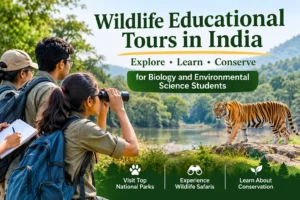
India is home to some of the world’s most diverse ecosystems, ranging from tropical rainforests and grasslands to wetlands, deserts and Himalayan forests. For biology and environmental science students, exploring these natural habitats offers an opportunity to understand wildlife, biodiversity and ecological processes beyond classroom learning. Wildlife Educational Tours in India provide students with practical exposure to animal behaviour, habitat conservation, food chains, ecosystems and environmental challenges. From observing tigers in Ranthambore to exploring the wetlands of Bharatpur and the forests of Jim Corbett, students can experience India’s extraordinary natural heritage through guided educational visits. These experiences help connect scientific concepts with real-world observations while encouraging curiosity, research skills and environmental responsibility. Whether organised for schools, colleges or universities, wildlife-focused educational trips can make science education more engaging, interactive and meaningful.
Why Are Wildlife Educational Tours Important for Biology and Environmental Science Students?
Biology and environmental science involve understanding living organisms, their habitats and their relationships with the natural environment. Reading about ecosystems and biodiversity in textbooks provides theoretical knowledge, but observing them in their natural surroundings creates a deeper understanding.
Wildlife Educational Tours in India allow students to explore different ecological systems and understand how plants, animals, microorganisms and environmental factors interact.
Some important educational benefits include:
- Practical learning: Students observe wildlife, vegetation and natural habitats in real-world environments.
- Biodiversity awareness: They learn about different animal and plant species and their ecological importance.
- Conservation knowledge: Students understand the importance of protecting endangered species and natural habitats.
- Research opportunities: Field observations encourage note-taking, photography, species identification and basic ecological studies.
- Environmental responsibility: Students develop awareness of pollution, deforestation, habitat loss and climate change.
Such experiences are particularly valuable for students pursuing biology, zoology, botany, ecology, forestry and environmental science.
Best National Parks in India for Educational Wildlife Tours
India has an extensive network of national parks and protected areas that provide opportunities for wildlife observation and environmental learning. Each destination offers a different ecosystem and educational experience.
1. Ranthambore National Park, Rajasthan
Ranthambore National Park is one of India’s well-known tiger reserves and an excellent destination for understanding wildlife conservation.
The park is famous for Bengal tigers, leopards, sloth bears, sambar deer, chital and numerous bird species. Its dry deciduous forests, lakes and rocky landscapes provide opportunities to study how different species adapt to their surroundings.
For biology students, a visit can introduce topics such as predator-prey relationships, animal behaviour, territorial patterns and habitat management.
Educational learning opportunities:
- Understanding tiger conservation and population monitoring.
- Studying food chains and predator-prey relationships.
- Observing dry forest ecosystems.
- Learning about protected-area management.
2. Jim Corbett National Park, Uttarakhand
Located in the Himalayan foothills, Jim Corbett National Park is one of India’s most significant wildlife destinations. It features riverine forests, grasslands, sal forests and diverse wildlife habitats.
The park supports Bengal tigers, Asian elephants, leopards, deer, reptiles and a wide variety of birds.
Wildlife Educational Tours in India can include visits to this region to help students understand forest ecosystems, biodiversity and the importance of protected landscapes.
Educational learning opportunities:
- Studying Himalayan foothill ecosystems.
- Understanding elephant habitats and movement.
- Identifying different bird species.
- Exploring forest conservation practices.
3. Kaziranga National Park, Assam
Kaziranga National Park is internationally recognised for its population of greater one-horned rhinoceroses. Located in Assam, it features extensive grasslands, wetlands and riverine habitats associated with the Brahmaputra floodplain.
The park is also home to wild water buffalo, elephants, swamp deer and numerous bird species.
For environmental science students, Kaziranga provides an opportunity to understand wetland ecology, floodplain ecosystems and the relationship between wildlife and seasonal flooding.
Educational learning opportunities:
- Studying wetland biodiversity.
- Understanding rhinoceros conservation.
- Exploring floodplain ecology.
- Learning about human-wildlife interactions.
4. Gir National Park, Gujarat
Gir National Park and its surrounding protected landscape are famous for the Asiatic lion. It is one of the most important destinations for studying the conservation of a threatened large carnivore.
The landscape includes dry deciduous forests, scrubland and grasslands, supporting leopards, hyenas, deer and several other species.
Students can explore the importance of habitat protection, wildlife population management and community participation in conservation.
Educational learning opportunities:
- Understanding Asiatic lion conservation.
- Studying dry forest ecosystems.
- Exploring wildlife population management.
- Learning about community-based conservation.
5. Periyar Wildlife Sanctuary, Kerala
Periyar, located in the Western Ghats of Kerala, is an excellent destination for students interested in tropical forest biodiversity and freshwater ecosystems.
The protected landscape is known for elephants, gaur, sambar deer, various primates and rich birdlife. Periyar Lake also contributes to the region’s distinctive aquatic and terrestrial habitats.
Students can learn about tropical evergreen and moist deciduous forests, ecosystem relationships and the importance of water resources.
Educational learning opportunities:
- Studying Western Ghats biodiversity.
- Understanding aquatic and terrestrial ecosystems.
- Exploring elephant conservation.
- Learning about forest restoration and ecotourism.
Best Wildlife Sanctuaries in India for Biology Students
Apart from national parks, wildlife sanctuaries offer valuable opportunities to understand species protection, habitat management and ecological diversity.
Some important destinations include:
Bharatpur Bird Sanctuary, Rajasthan
Also known as Keoladeo National Park, Bharatpur is a famous bird habitat and an excellent destination for ornithology students.
The wetland supports resident and migratory birds, making it particularly useful for studying bird identification, migration patterns, feeding behaviour and wetland ecology.
Ranganathittu Bird Sanctuary, Karnataka
Located near Mysuru, Ranganathittu is known for its river islands and diverse birdlife. Students can observe waterbirds, nesting behaviour and the relationship between aquatic habitats and bird populations.
Wayanad Wildlife Sanctuary, Kerala
Part of the Nilgiri Biosphere Reserve landscape, Wayanad offers opportunities to understand tropical forest ecosystems and wildlife corridors. The sanctuary supports elephants, deer, leopards and several bird species.
National Chambal Sanctuary, Uttar Pradesh, Madhya Pradesh and Rajasthan
This sanctuary is particularly important for studying river ecosystems and aquatic biodiversity. It provides habitat for the critically endangered gharial, Gangetic river dolphins and several freshwater turtle species.
Students interested in aquatic biology and river conservation can gain valuable insights here.
Wildlife Safari in India: What Can Students Learn?
A wildlife safari is more than an opportunity to observe animals. When planned with an educational approach, it can become an interactive field-learning experience.
During a guided safari, students may observe animal movement, feeding patterns, habitat preferences and interactions between different species.
A well-organised safari can introduce students to several scientific concepts:
1. Animal Behaviour: Observing how animals communicate, feed, move and respond to environmental conditions.
2. Ecosystem Relationships: Understanding the connections between predators, herbivores, vegetation and other organisms.
3. Habitat Adaptation: Exploring how animals survive in forests, wetlands, grasslands and other ecosystems.
4. Biodiversity Documentation: Recording wildlife sightings and identifying species with the help of knowledgeable naturalists.
5. Conservation Challenges: Understanding habitat fragmentation, poaching, pollution and human-wildlife conflict.
For meaningful Wildlife Educational Tours in India, safari activities should be combined with interpretation sessions, observation exercises and discussions rather than being treated only as recreational outings.
Wildlife Conservation Tours in India: Understanding Environmental Challenges
Wildlife conservation is an important part of modern biology and environmental science education. India faces several environmental challenges, including habitat destruction, human-wildlife conflict, pollution, invasive species and climate-related changes.
Educational visits can help students understand these issues through practical examples.
Students can explore:
- How protected areas help conserve endangered species.
- Why wildlife corridors are important for animal movement.
- How wetland ecosystems support biodiversity.
- The role of forest communities in conservation.
- How scientific research contributes to wildlife protection.
Depending on permissions and institutional arrangements, students may also interact with conservation educators, forest interpretation staff and researchers.
These experiences encourage students to think critically about environmental protection and the sustainable use of natural resources.
How to Plan Educational Wildlife Trips for Students
Planning a successful educational wildlife trip requires more than selecting a national park. Schools and colleges should ensure that the programme has clear academic objectives and appropriate safety arrangements.
Here are some important considerations:
1. Select the Right Destination
Choose a destination based on the students’ academic interests, age group and learning objectives. For example, Bharatpur is suitable for birdwatching, while Kaziranga offers opportunities to explore grassland and wetland ecology.
2. Define Learning Objectives
Prepare a learning plan covering biodiversity, animal behaviour, habitat conservation or ecological systems.
3. Arrange Knowledgeable Guides
Naturalists, wildlife educators and qualified local guides can help students understand the ecological importance of different species and habitats.
4. Include Field Activities
Encourage students to maintain field journals, document bird sightings, identify vegetation and record environmental observations without disturbing wildlife.
5. Prioritise Safety and Responsible Tourism
Follow park regulations, safari guidelines and instructions from authorised personnel. Students should maintain safe distances from wildlife and avoid littering, loud noises or activities that disturb animals.
6. Plan According to the Season
Different destinations offer different wildlife-viewing conditions throughout the year. Schools should check seasonal access, weather, park closures and safari availability before confirming travel dates.
Why Choose Organised Wildlife Educational Tours in India?
Organised educational travel programmes help institutions manage transportation, accommodation, activities and learning arrangements more efficiently.
For schools, colleges and universities, Wildlife Educational Tours in India can be designed around specific academic subjects and student learning requirements.
Shikhar Educational Tours offers educational travel experiences that can help institutions introduce students to India’s natural landscapes, wildlife habitats and environmental heritage.
A properly planned programme can include:
- Destination selection based on academic requirements.
- Transportation and accommodation arrangements.
- Guided wildlife and nature experiences.
- Educational activities and field observations.
- Group coordination and travel assistance.
- Suitable supervision and safety planning.
Institutions can select destinations and activities according to the students’ age groups, curriculum and available travel duration.
Follow Us & Learn With Us
Get travel inspiration, exciting destinations, tour updates & special offers.
Conclusion
Exploring wildlife habitats is one of the most effective ways to make biology and environmental science education more practical and engaging. From the tiger forests of Ranthambore to the wetlands of Bharatpur and the grasslands of Kaziranga, India offers diverse opportunities for students to understand biodiversity, ecology and conservation.
Wildlife Educational Tours in India help students connect classroom concepts with real-world observations while developing research skills, environmental awareness and respect for nature.
For schools, colleges and universities looking to provide meaningful outdoor learning experiences, Shikhar Educational Tours can help plan educational trips that combine exploration, knowledge and responsible travel.
Frequently Asked Questions (FAQs)
1. Which are the best wildlife destinations in India for biology students?
Ranthambore, Jim Corbett, Kaziranga, Gir, Periyar and Bharatpur are excellent destinations for studying wildlife and biodiversity.
2. What can students learn during wildlife educational tours?
Students can learn about animal behaviour, biodiversity, food chains, ecosystems, habitat conservation and environmental challenges.
3. Are wildlife tours suitable for school and college students?
Yes. Wildlife tours can be organised for different age groups with suitable activities, supervision and academic learning objectives.
4. What is the best time for wildlife educational tours in India?
The ideal time depends on the destination. Many parks have good wildlife-viewing opportunities during the cooler, drier months, but seasonal closures and local regulations should always be checked.
5. How can schools organise wildlife educational tours in India?
Schools can contact an educational tour operator such as Shikhar Educational Tours to plan destinations, transportation, accommodation, guided activities and group arrangements.